An eye exam is about far more than reading a chart. Our optometrist checks how clearly you see, how well your eyes work together, and the health of every part of your eye, from the cornea to the retina.
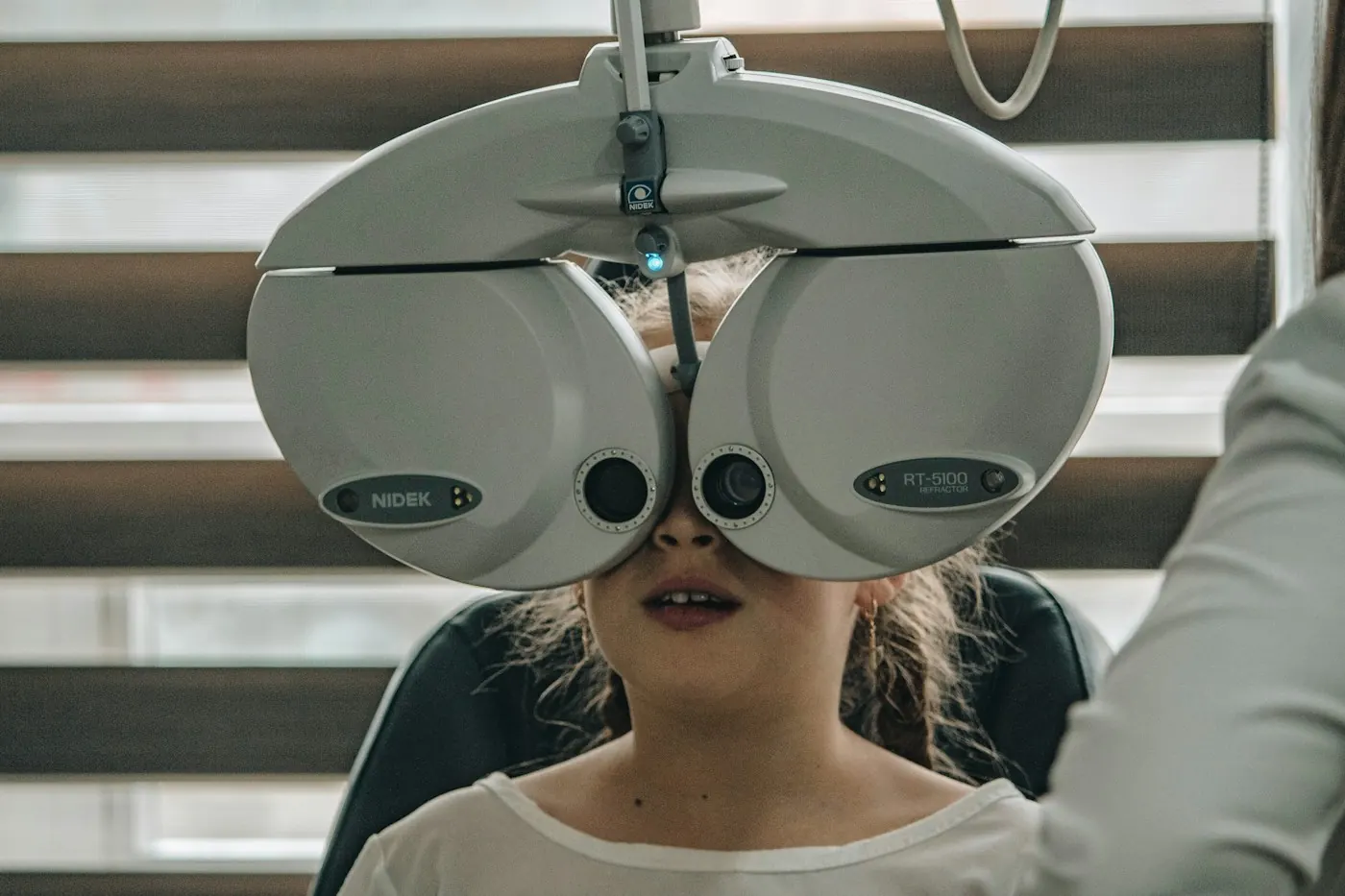
Many serious eye conditions, including glaucoma, diabetic retinopathy and early macular degeneration, cause no symptoms until vision is already affected. A comprehensive exam with Dr. Bessie Campouris is the most reliable way to catch them early, when treatment works best.
Updated prescriptions, eye health checks and advice for screen-heavy workdays, driving at night and Arizona's bright sun.
Vision is closely tied to learning. We look for nearsightedness, lazy eye and focusing problems, and offer myopia management when needed.
Yearly exams help track cataracts, glaucoma and macular degeneration, conditions that become more common with age.
Annual diabetic eye exams with retinal imaging, with results we can share with your primary care doctor. Learn more.
A contact lens exam adds lens fitting and a check of how your lenses sit on the eye. See contact lens care.
Switching eye doctors? Bring your current glasses and contacts and we'll take it from there. What to bring.
Optomap ultra-widefield imaging captures a broad, high-resolution view of your retina in a single quick, comfortable scan. The image can be reviewed with you during your visit and kept on file, so even subtle changes can be spotted from one year to the next.
Retinal imaging is especially valuable for patients with diabetes, high blood pressure, high nearsightedness or a family history of eye disease.
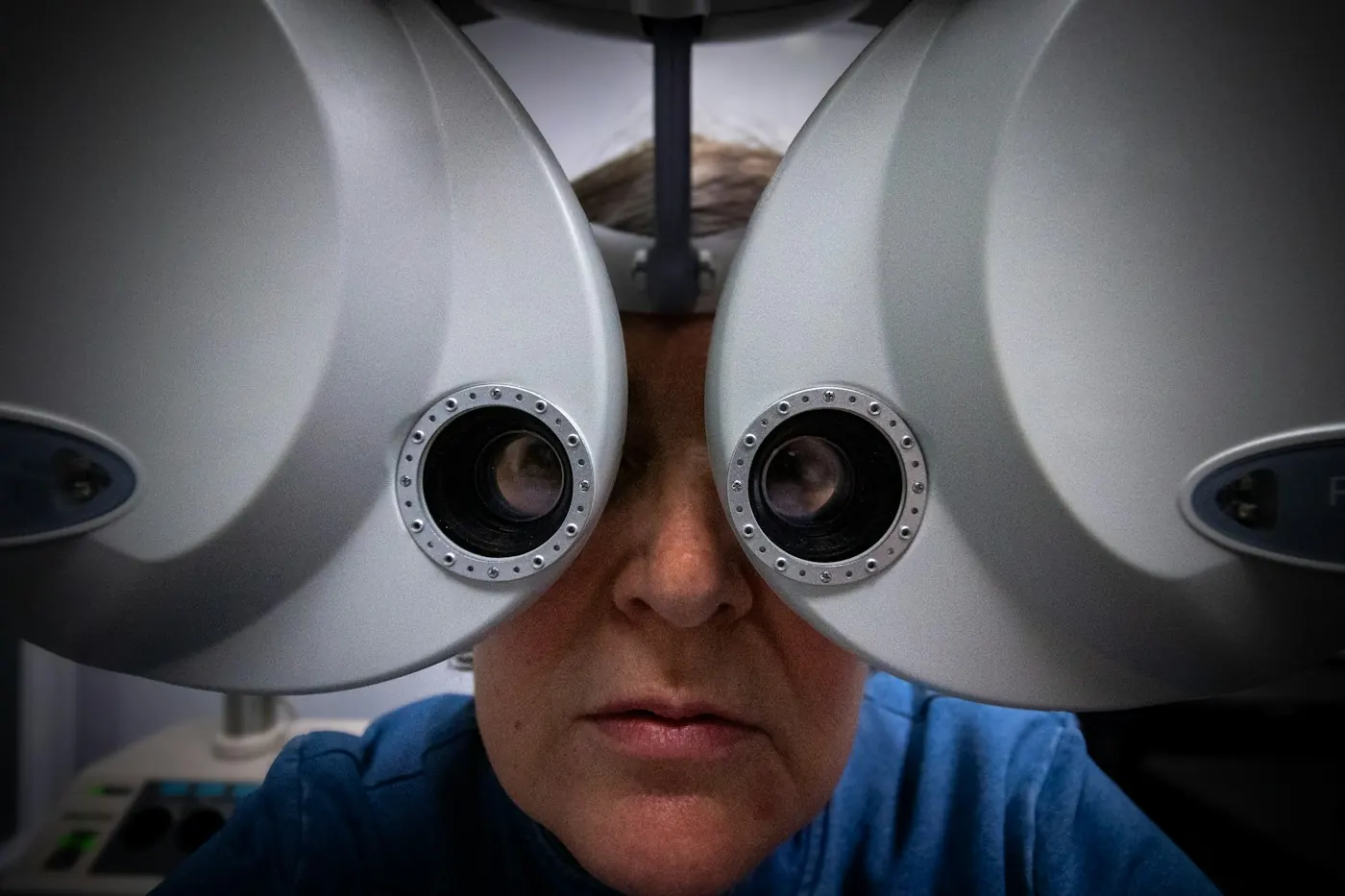
The American Optometric Association recommends an eye exam at least every two years for adults ages 18 to 64 and every year from age 65 on. We recommend yearly exams for contact lens wearers, people with diabetes or a family history of glaucoma, and anyone noticing changes in their vision.
Most comprehensive exams take 30 to 60 minutes. Allow a little extra time if your eyes are dilated or you're also being fitted for contact lenses.
No. School and DMV screenings only check how well you see an eye chart. A comprehensive exam also checks eye pressure, eye teamwork and the health of the retina and optic nerve, which is how conditions like glaucoma are caught early.
Yes. Optomap captures a wide, detailed image of your retina in seconds, giving Dr. Campouris a record she can compare year to year. In many cases it can reduce the need for dilation, though she may still recommend dilating your eyes when a closer look is needed.
Routine exams are usually covered by vision plans such as VSP, EyeMed and Spectera. If your visit is for a medical problem, such as an eye infection, diabetes or glaucoma, it is often billed to medical insurance such as Medicare, BCBS or Aetna instead. We'll help sort out which applies to you.
What to expect at each age, and the signs a child may be struggling to see.
Read more → Medical Eye CareWhy yearly retinal exams matter if you have diabetes.
Read more → InsuranceHow VSP, EyeMed and medical insurance differ for eye care.
Read more →