
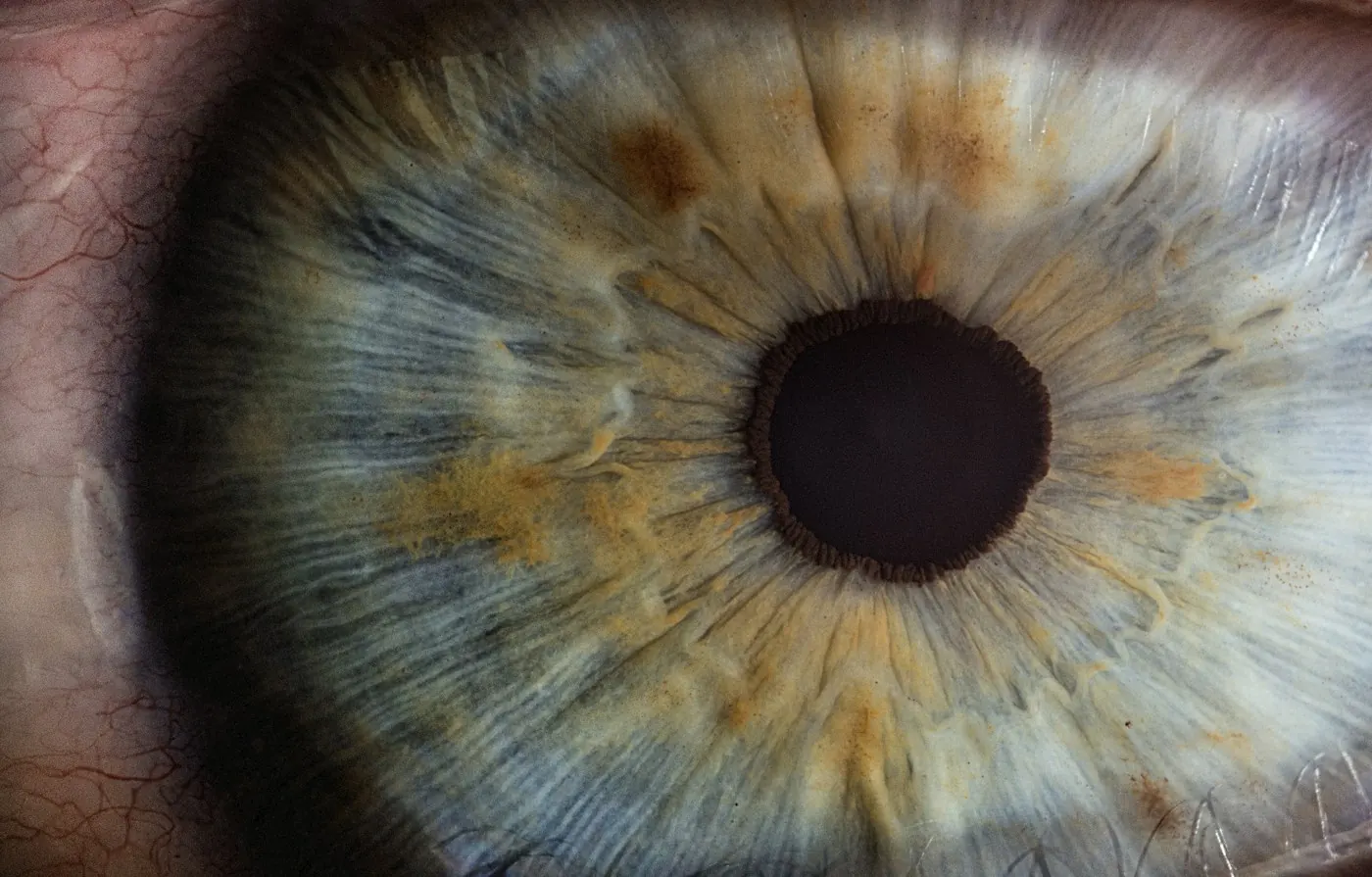
How diabetes affects the eyes
Over time, high blood sugar can damage the tiny blood vessels in the retina, the light-sensing layer at the back of the eye. This is called diabetic retinopathy. In its early stages there are usually no symptoms at all: vision can seem perfectly normal while damage is quietly developing.
People with diabetes also have a higher risk of:
- Diabetic macular edema: swelling in the central retina that blurs reading and fine detail
- Cataracts, often at a younger age
- Glaucoma
- Fluctuating vision when blood sugar levels change
How often should you have a diabetic eye exam?
The American Diabetes Association recommends a comprehensive eye exam soon after a type 2 diabetes diagnosis, and within five years of a type 1 diagnosis. After that, most people need an exam every one to two years, and more often if any retinopathy is found or during pregnancy. Many eye doctors recommend yearly exams for everyone with diabetes.
What happens at a diabetic eye exam
Your exam includes everything in a comprehensive eye exam, with extra attention to the retina. We look for tiny bleeds, leaking blood vessels, swelling and other early signs of retinopathy.
Optomap: a wide view of your retina
Optomap ultra-widefield imaging captures a broad, detailed picture of the retina in a single quick scan. That image becomes a permanent record, so subtle changes can be compared from year to year. For many patients, Optomap reduces the need for dilation, though dilation may still be recommended when a closer look is needed.
Protecting your vision with diabetes
- Keep blood sugar, blood pressure and cholesterol in your target ranges
- Don't skip your yearly eye exam, even if your vision seems fine
- Call us promptly about sudden blurriness, new floaters, or dark spots in your vision
- Don't smoke
Diabetic eye exams are generally billed to medical insurance, including Medicare. More about medical eye care.